Hamza Nouman
REALTOR® · Investment Property Specialist · Cityscape Real Estate Ltd.
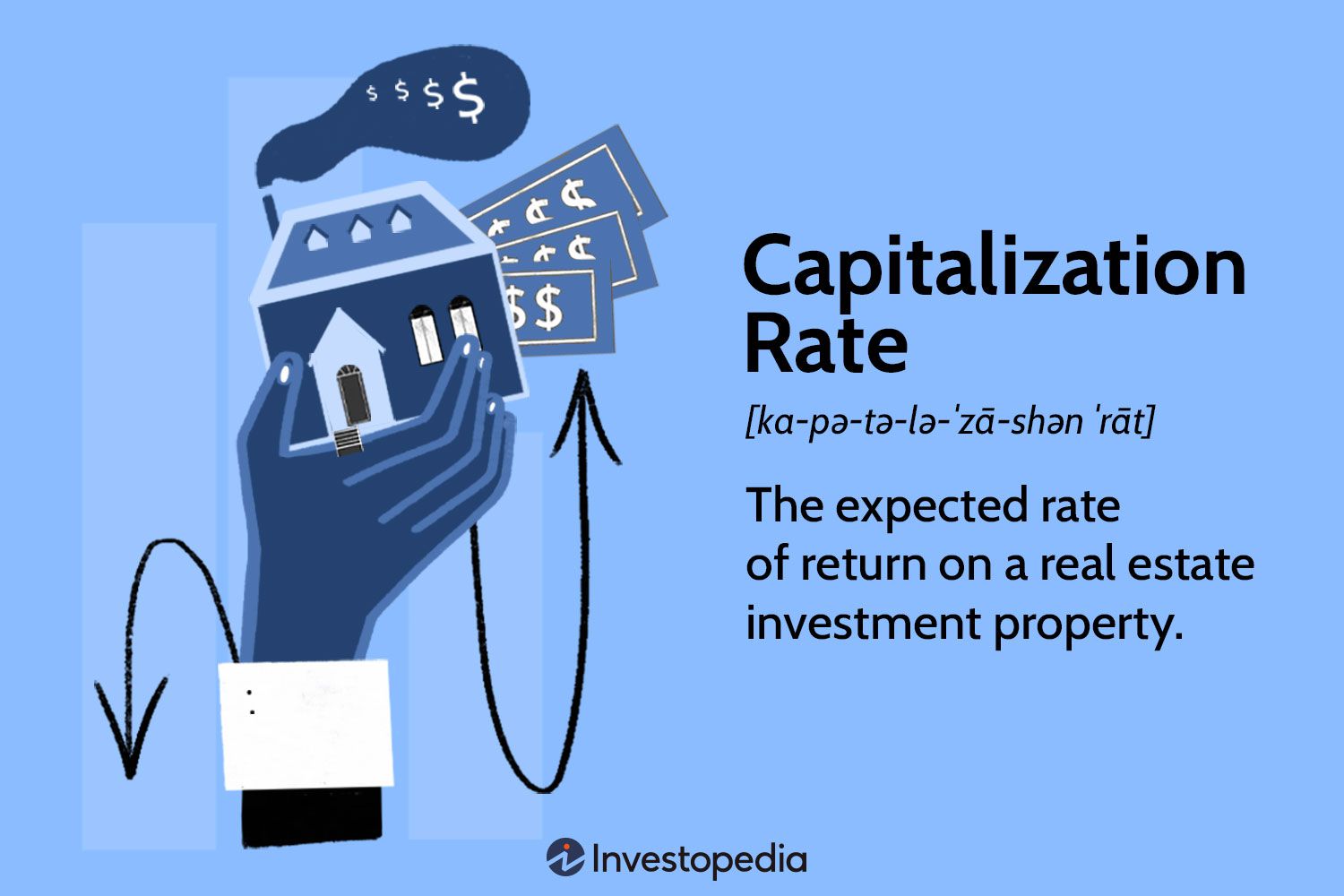
Cap Rates Are More Critical Than Ever in 2026's Market
With Mississauga's investment landscape evolving rapidly throughout 2026, understanding capitalization rates has become the difference between profitable investments and costly mistakes. The elimination of development charges on rental units earlier this year has created unique opportunities, but only for investors who know how to properly evaluate cap rates in today's environment.
Cap rates tell you the annual return on investment based on a property's net operating income relative to its purchase price. But in March 2026, the traditional "good cap rate" benchmarks no longer apply.
What Constitutes a Strong Cap Rate in Mississauga Right Now
The New Baseline: 4.2% to 5.8%
In Mississauga's current market, cap rates between 4.2% and 5.8% represent the realistic range for quality investment properties. This is a significant shift from previous years, driven by three key factors:
- Interest rate stabilization at 4.75% for prime lending
- Increased rental demand from the 47,000 new residents who moved to Mississauga in 2025
- Supply constraints with only 3,200 new rental units completed in 2025 versus 8,900 new households formed
Location-Specific Cap Rate Expectations
Not all Mississauga neighbourhoods offer the same cap rate potential. Here's what I'm seeing in March 2026:
Cooksville: Properties here are delivering cap rates between 5.1% and 5.7%. A typical 2-bedroom condo purchased at $485,000 generates $2,650 monthly rent, minus $780 in monthly expenses (maintenance, property tax, insurance), yielding a 4.6% cap rate.
Meadowvale: Higher-end properties show cap rates of 4.2% to 4.8%. A townhouse at $720,000 renting for $3,200 monthly with $1,100 in monthly expenses produces a 3.5% cap rate — below our target range, making it less attractive for pure cash flow investors.
How to Calculate Cap Rates Accurately in 2026
Step 1: Get Your True Net Operating Income
Most investors miscalculate NOI by forgetting Mississauga-specific expenses that have increased in 2026:
- Property taxes: Average 1.2% of property value annually
- Condo maintenance fees: Now averaging $0.68 per square foot monthly
- Landlord insurance: Up 23% from 2025, now averaging $1,400 annually
- Vacancy allowance: Factor in 4-6% for turnover (Mississauga's current average)
- Property management: 8-10% of gross rent if using a service
Step 2: Use Current Market Values, Not Purchase Price
As I often tell my clients at MississaugaInvestor.ca, always calculate cap rates based on current market value, not what you paid. With Mississauga property values up 8.3% year-over-year as of March 2026, your cap rates may have compressed even if your rental income increased.
Step 3: Account for Rent Control Impact
Ontario's rent increase guideline for 2026 is 2.5%. If you're evaluating older buildings subject to rent control, factor this limitation into your long-term cap rate projections.
Red Flags When Evaluating Mississauga Cap Rates
Unrealistic Rent Assumptions
I've seen too many investors use inflated rental projections. In March 2026, here are realistic rent ranges:
- 1-bedroom condos: $1,850 - $2,200 (depending on location and condition)
- 2-bedroom condos: $2,400 - $2,900
- 3-bedroom townhouses: $2,800 - $3,600
Always verify rents using actual comparable listings, not wishful thinking.
Ignoring Special Assessments
With many Mississauga condos built in the early 2000s now requiring major repairs, factor potential special assessments into your calculations. Buildings over 15 years old carry higher risk of $5,000-$15,000 assessments for elevators, roofing, or facade work.
Comparing Different Property Types
A 4.5% cap rate on a new condo is not equivalent to a 4.5% cap rate on a 20-year-old townhouse. Newer properties typically have lower maintenance costs and higher appreciation potential, justifying lower cap rates.
Using Cap Rates for Investment Decisions in 2026
The 1% Rule Is Dead
Forget the old "1% rule" where monthly rent should equal 1% of purchase price. In Mississauga's 2026 market, 0.55% to 0.65% is more realistic for quality properties in desirable areas.
Compare to Alternative Investments
With 5-year GICs offering 4.1% in March 2026, your Mississauga investment property should target at least 4.5% cap rate to justify the additional risk and effort.
Factor in Appreciation Potential
A 4.2% cap rate might be acceptable if the property is in a high-growth area like the future Hurontario LRT corridor, where appreciation could add 2-3% annual returns.
What This Means for Investors
Cap rates remain the most reliable metric for evaluating Mississauga investment properties, but 2026's market requires updated benchmarks and more sophisticated analysis. Focus on properties delivering 4.5%+ cap rates in established neighbourhoods, or accept lower cap rates only when strong appreciation potential justifies the trade-off.
The key is using accurate, current data for both income and expenses. Don't rely on outdated assumptions or seller-provided numbers.
Ready to find properties that meet these cap rate targets? Use MississaugaInvestor.ca's deal scoring system to quickly identify opportunities that align with 2026's market realities.
Need help with this topic?
Book a free 15-minute investor call with Hamza. No obligation — we'll walk through your numbers together.
★★★★★ 5.0 on Google · 28 Reviews
Related Guides
Get the Top 5 Deals Every Week
Join 200+ Mississauga investors who get our free weekly deal breakdown — scored, analyzed, and ranked.